28 of 250 stories
Tribute and Insights from Dr. Wang Yunren
1,585 reads
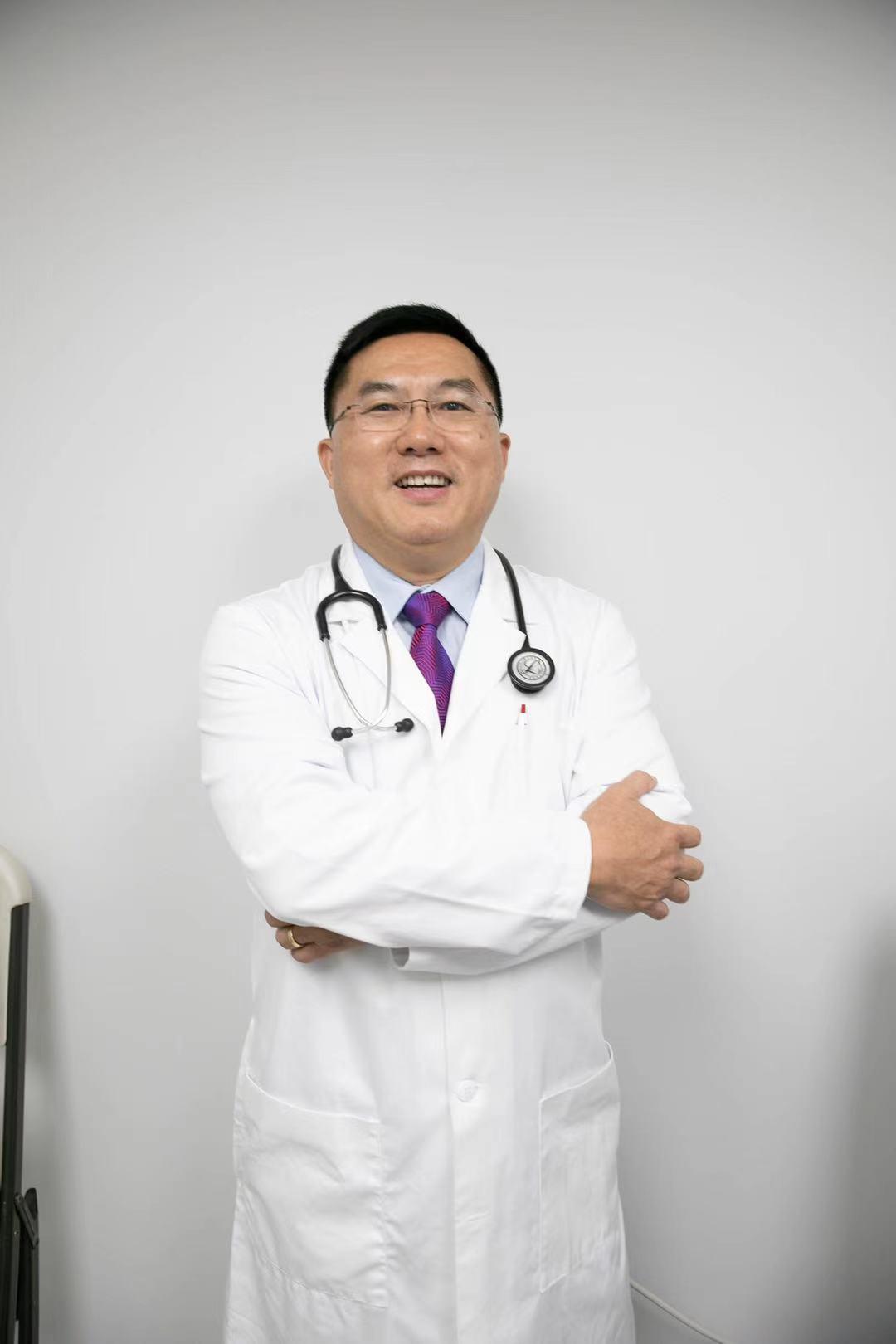
I graduated from Hainan Medical University and spent six years specializing in trauma surgery — a field that demands quick decisions and real resilience to intense patient suffering. That training turned out to be more relevant to the last two years of my life than I ever could have predicted. I founded the Flushing Emergency Center to serve New York's Chinese community, and when COVID-19 hit, I made the decision to keep it open through the entire pandemic, at a time when many other clinics and emergency centers simply shut their doors.
Racing Against a Shortage
My concern started early, watching the severe shortage of medical supplies unfold in China at the very beginning of the outbreak. I moved quickly to procure over five thousand protective suits and ten thousand masks, working through real logistical obstacles along the way — including, memorably, securing free transport from a Southern Airlines pilot, made possible by generous volunteers who stepped up without being asked twice. That experience taught me something about the overseas Chinese community I don't think I'd fully appreciated before: the genuine unity and willingness to help wherever help was needed, even from people I'd never met.
Once I was back in New York, I personally handed out masks to people in dire need during the initial outbreak. The city had been caught off guard in a way that still strikes me as almost unbelievable in hindsight. The shortage was severe enough that my own clinic staff had to reuse protective gear extensively, just to keep operating safely at all.
Why I Wouldn't Close
There was real fear inside my own staff, and real fear inside my own family, about what continuing to see patients might cost us personally. Some colleagues resigned during that period, and I understand why — I don't hold it against them. But I made the decision to keep the emergency center open without exception, and when gaps opened from people leaving, I stepped in myself to fill them.
My own children, studying remotely because their schools had closed, volunteered as medical assistants during that stretch — engaging directly with patients every day, sometimes as many as a hundred in a single day, many of them COVID-positive. To reduce the risk of bringing infection home to the rest of the family, we institute strict separation protocols between floors of our own house. I felt real pride watching my children's courage during that period. I've come to think of what they went through as an invaluable education in its own right — the kind no medical school curriculum could ever replicate.
What the Hospitals Actually Looked Like
The conditions inside New York's hospitals during the peak of the outbreak were harrowing in ways that are hard to convey secondhand. Overwhelming numbers of COVID patients, many requiring ventilators, body bags piled outside in numbers that generated a very specific kind of anxiety in anyone who saw them. The loneliest part, for me, was watching dying patients isolated completely from their families, with almost nobody but medical staff present in their final hours.
I carried real personal health risk through all of this too, given my own chronic conditions and age, but I kept doing daily rounds anyway. Nurses showed an extraordinary level of dedication during that period, managing direct patient care while nearly every other medical specialty in the hospital had effectively shut down around them. Almost the entire hospital system was transformed into COVID wards. Clinics like mine became critical precisely because we couldn't turn patients away, even with real infection risk and imperfect protective protocols standing between us and the people who needed help.
Staying Safe While Staying Open
We maintained rigorous infection control at my clinic — frequent disinfection, careful triage, and heavy use of telemedicine to monitor patients remotely wherever that was possible, while the emergency center itself continued attending every walk-in case without exception. Remarkably, despite the heavy exposure all of us faced, none of my staff contracted COVID-19 during that entire period. I credit that partly to diligent safety measures, and partly, honestly, to providence. That experience reinforced something I've come to believe strongly: medical professionals must face a health crisis head-on rather than avoid it, even when avoiding it would have been the easier, safer-feeling choice in the moment.
What This Taught My Children, and Me
Looking back at the whole experience, I keep coming back to courage and dedication as the real throughline. Exposure to a crisis at this scale gives you the insight and resilience no classroom can teach. My children's direct participation gave them a kind of practical education in humanity's hardest moments that I think will shape them for the rest of their lives. If I had to name the most significant thing our family gained from those months, beyond simply surviving them, it would be exactly that.
Bringing Vaccines to the Community
My clinic became one of the first emergency centers in New York authorized to administer COVID-19 vaccinations, starting in January. Thanks to the effort of our clinic managers and city contacts, we secured a regular vaccine supply and have since administered over five thousand doses, mostly Moderna. I remember the early scarcity vividly, and the real challenge of making sure elderly and disadvantaged patients — people who often couldn't navigate an online registration system — weren't left behind in the process. I made a point of setting aside extra doses for vulnerable individuals in exactly that situation whenever I could. We offered vaccination with minimal profit margin, because this was about compassion and communal responsibility, not business.
What I Tell People About How Vaccines Actually Work
I try to explain, as plainly as I can, that vaccines don't create absolute protection — what they do is significantly reduce disease severity by prompting the body to produce antibodies against the virus's spike protein. mRNA vaccines specifically work by delivering genetic instructions, encapsulated in lipid nanoparticles, to the body's own cellular protein factories, which then triggers antibody formation. Antibody levels decline over time, which is exactly why a booster dose makes scientific sense, especially for more vulnerable populations. Moderna and Pfizer have shown strong effectiveness in this regard; single-dose vaccines like Johnson & Johnson weren't officially recommended for boosters at the time these conversations took place.
Having administered thousands of doses myself, I haven't seen any serious or life-threatening reactions among my patients. The common side effects — fever, soreness — reflect a normal immune response doing exactly what it's supposed to do, and I think that's worth saying clearly and often, given how much fear circulates around this topic.
What I'd Say to Someone Hesitant
I understand vaccine skepticism exists, including people who believe they can stay safe simply by avoiding public exposure. What I've seen, though, is that unvaccinated patients admitted during recent Delta variant waves were the ones facing the most severe illness. That variant is aggressively transmissible, and I recommend vaccination strongly as a public health measure, especially as the virus continues evolving.
Vaccination doesn't mean precautions stop mattering. I still advise isolating carefully if infected, monitoring oxygen saturation with a home pulse oximeter, and seeking hospital care if that saturation drops to around ninety percent. Telemedicine support for early treatment, including medications like azithromycin and appropriate supplements, remains part of how I approach ongoing care. On the question of mixing vaccine brands for a booster, I generally recommend sticking with your original vaccine unless official guidance changes, and I encourage people to test their antibody levels after vaccination to help guide that decision individually rather than guessing.
What I've Come to Believe
This pandemic asked more of frontline healthcare workers than most people outside medicine will ever fully understand, and I think continued vigilance, vaccination, and responsible behavior remain essential as we move forward — not toward some fantasy of eradicating this virus entirely but toward learning to coexist with it responsibly. If there's one thing I'd want people to take from everything my clinic, my staff, and my own family went through, it's that facing a crisis directly, rather than looking away from it, is what protects the people counting on you.