27 of 250 stories
Performing Traditional Chinese Opera in the U.S.
940 reads
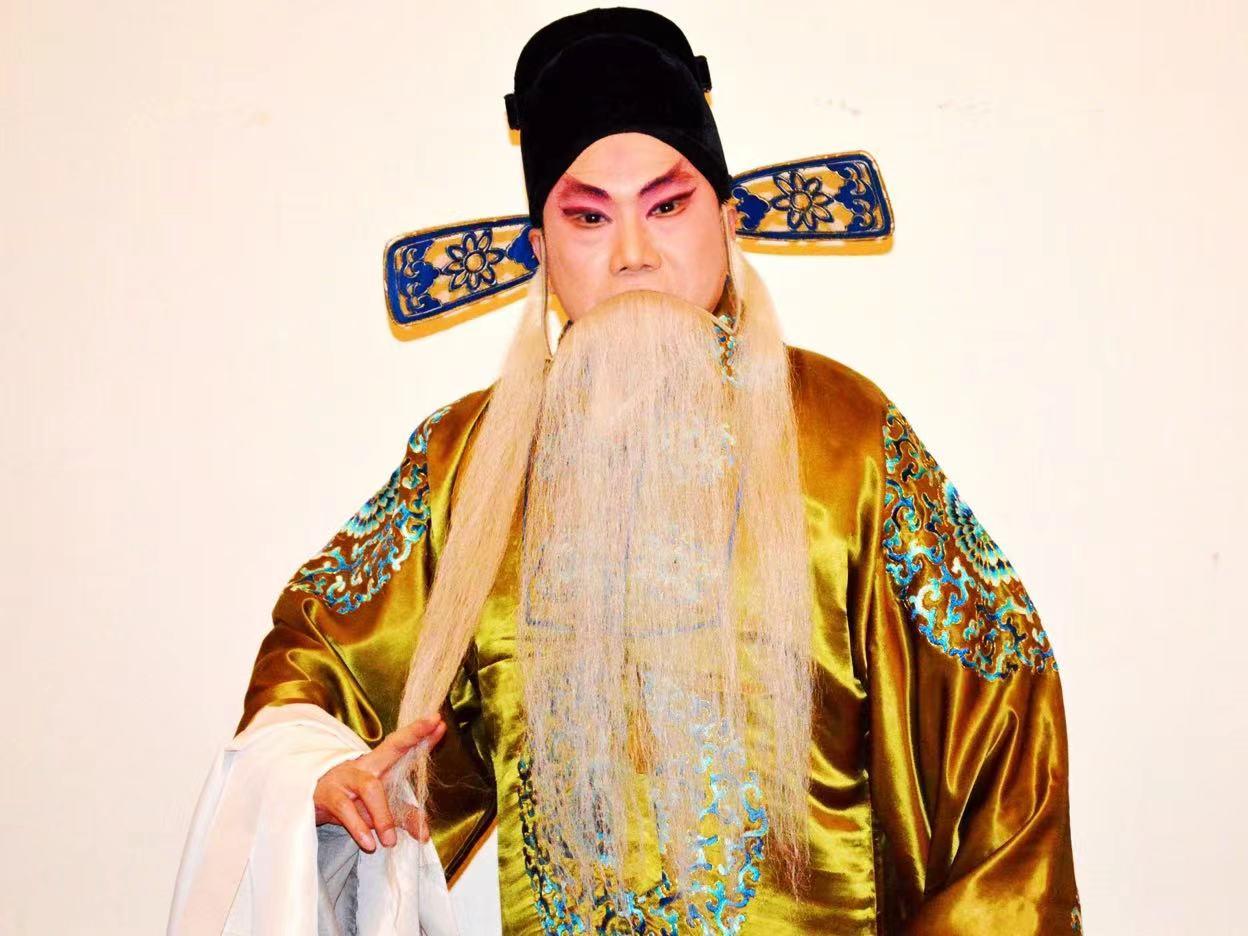
I'm a director and actor, and I've spent decades of my life inside traditional Chinese theater — winning awards for it back home and now working to keep it alive here in the United States, far from the world that trained me.
What Training Looked Like in an Earlier Era
I began around age nine or ten, in conditions that were, by any modern standard, extremely harsh. A shaved head was part of it — a visible symbol of the hardship and dedication the training demanded. I look back on those practices now, decades later, and I recognize them as the foundation of everything I'm still capable of doing on a stage today. That doesn't mean I'd wish that severity on anyone starting out now. It means I understand exactly what it bought me, and I'm not willing to pretend it didn't cost something real to get there.
An Accountant, Briefly
When I first arrived in the United States, the reality of building a new life here didn't leave much room for the kind of artistic career I'd spent my whole life building back home. I worked as an accountant for a period — a genuinely strange chapter for someone whose entire identity had been built around the stage. Sitting at a desk all day gave me real physical problems too, neck issues from work that had nothing to do with the physical discipline my body had spent decades training for instead. Eventually I found my way back to directing, which felt less like a comeback and more like simply returning to the only version of myself that ever made complete sense.
My First Stage Here
I was fortunate, once I arrived, to quickly join a performance Yang Ling organized in Atlantic City. I performed multiple shows back-to-back, in physically demanding roles that reminded me immediately just how much stamina this art form actually requires — stamina I hadn't had to call on in quite that way during my accounting years. It was exhausting. It was also the clearest reminder I've had that this work is still fully inside me, waiting for the right stage to bring it back out.
The Role of "老生"
Much of my work centers on "老生" — old male roles — which demand a particular gravitas to portray aged characters convincingly. That's a different kind of skill than raw physical stamina alone. It asks for a stillness, weight, an internal seriousness that has to read clearly to an audience even through layers of costume and makeup. I've come to think of that gravitas as its own kind of discipline, separate from but just as demanding as anything I learned as a child.
There's also the role of "丑角" — the clown or comic figure — which requires a genuinely complex balance of humor, grace, and a touch of menace all at once, to properly support the larger drama around it. People sometimes underestimate comic roles in traditional opera. They're not simple relief from the serious material. They require their own precise calibration.
What America Asks of This Art Form
Living and performing here comes with real limitations — smaller venues, far less rehearsal time than a full traditional production needs. That makes it genuinely difficult to render these forms at the depth they deserve. I've made peace with that constraint rather than fighting it constantly; I focus on what I can do well within it, rather than mourning the scale I no longer have access to.
The pandemic forced us into online performances, and I found real value in that adaptation — a way of maintaining our community's cultural connection even when the physical stage wasn't available to us. I remain genuinely hopeful about what comes next, both for my own work and for the broader effort to keep these traditions alive here.
What Decades in This Have Taught Me
Even now, so far removed in both time and geography from where I first learned this craft, the characters and experiences from my career continue to shape who I am. Traditional opera isn't something I perform. It's something I carry — in my blood, in the balance of my body, in the discipline that never fully leaves you once it's been built into you as a child. Whatever hardship it took to get here, I still believe this art form's beauty is irreplaceable, and I intend to keep giving audiences access to it for as long as I'm able to stand on a stage.