4 of 250 stories
The Journey of a Champion: Chang Xinli
1,056 reads
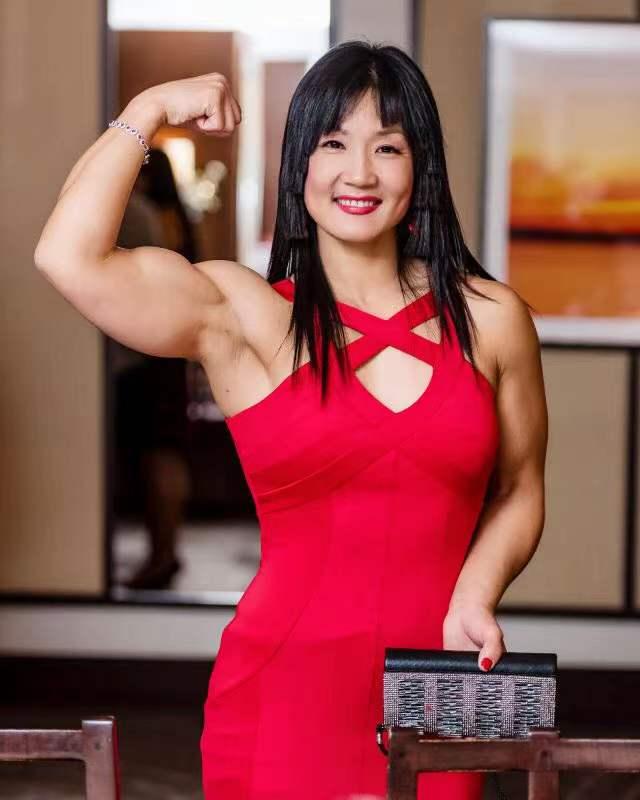
I grew up in Xinjiang, a place where people romanticize for its grasslands, deserts, and mountains — and rightly so, it's beautiful. But it's also a hard place to grow up: harsh wind, sandstorms, water scarcity. My parents were part of the frontier construction groups that migrated there to do agricultural and land reclamation work. That labor, that landscape, gave me something before I ever set foot on a competition stage — a genetic and physical foundation I didn't fully appreciate until much later, when I compared my skin, my build, my stamina to people who'd grown up in cities like Beijing or abroad. Childhood in Xinjiang was hard, but it was also deeply satisfying, and it shaped everything that came after.
Built for Competition Before I Knew It
I was fast before I understood what that meant. By third grade I was winning school long-distance races against kids years older than me. That's when formal training started — wrestling first, then judo through middle school. I threw myself into it with a discipline that probably looked unusual for a kid that age. I broke my wrist, my shoulder, and my ankle at different points. None of it stopped me. What people didn't always see was that I kept my grades in the top three of my class the entire time — I never let sports become an excuse to let go of anything else.
There's one moment from those years I still think about: the first time I stood in a competition and genuinely felt unsure of myself. That feeling taught me something I've never forgotten — confidence doesn't come from talent alone. It comes from preparation. If you haven't done the work, no amount of willpower fixes that feeling in the moment it counts.
From Wrestling to Weightlifting to a Whole New Sport
I moved through wrestling, judo, then weightlifting — a brutal discipline to start relatively late in, given how unforgiving the technical standards are. At some point, coaches looked at my proportions and my build and told me I should try bodybuilding. I barely knew what that meant. I'd spent my whole life training to fight or to lift, not to sculpt and present a physique on a stage.
I started seriously after retiring from weightlifting, and it moved fast — faster than I expected. Within a month I'd won a regional championship. Within a year and a half, I was Asian champion. I went on to compete at the national level for ten consecutive years, and by the end of it, I'd become a ten-time national champion and two-time Asian champion.
The thing I'm proudest of isn't any single title. It's that everything I did, I did completely natural — no performance-enhancing drugs, ever. My results came from a strong training base, relentless hard work, and a refusal to cut that corner, even when I knew others around me weren't holding themselves to the same standard. Bodybuilding, compared to wrestling or judo, spared me a lot of physical injury. But what it demanded instead — the dieting, dehydration protocols before a competition, the discipline needed to get that "skin-and-muscle" clarity the sport is judged on — was its own kind of brutality.
What Nobody Sees from the Outside
People look at a champion and see the trophies, the physique, the confidence. What they don't always see is the loneliness underneath it — the time away from family, the emotional weight of a life built entirely around your own body and its performance. I carry an exterior that reads as strength and muscle, but underneath that I'm someone with real sensitivity, someone who feels deeply connected to the sacrifices my family made so I could do this in the first place.
Growing up competing under the Chinese flag gave me a real, unshakable sense of national pride, and that pride fueled me every time I stepped onto an international stage. But I also came to understand, over those ten years, just how much every single athlete's success depends on other people — coaches, family, the people who quietly absorb the cost of your absence. It's a hard truth of this life: once you're that deep into professional sport, it becomes difficult to reclaim an ordinary personal life. You miss family milestones. Sometimes people you love pass away during a competition period, and you find out only after, having missed the chance to be there.
My training regime, in the years I was competing seriously, was five to six hours a day, split into three sessions — morning cardio for fat loss, then two separate muscle-training sessions later in the day. Add a strict diet and careful water control on top of that, and you start to understand what it takes to get a body to look the way it does on a competition stage. It's not effortless. It's not luck. It's math and discipline, repeated for years.
A New Country, A New Question
Coming to the United States meant starting over in a way I hadn't fully prepared for — new language, new culture, a career path I had to rebuild from nothing outside the familiar rhythms of a place like Flushing or Manhattan. Like a lot of immigrants, I went through that disorientation before I found my footing again.
I tried competing in wrestling entertainment events here for a while — a strange blend of sport and performance that never quite matched what I wanted for myself. Eventually I made a decision to follow my heart instead of the money. I turned down more lucrative, more performance-heavy opportunities because they came bundled with an objectification of women, I wasn't willing to be part of. What I wanted instead was something healthier — a version of strength and femininity that could coexist with actual peace.
Redefining What Beauty Looks Like
I've spent a lot of my life since then trying to redefine femininity for the women I train — shifting the idea of beauty away from the traditional Chinese ideal of dainty fragility, toward something that includes strength and muscle tone as essential, not as a contradiction. Muscle gives shape to shoulders, waist, hips — it's not opposed to beauty, it's part of it. I love helping my students unlearn the misconceptions they've carried about exercise and nutrition their whole lives and watching them build real physical and mental well-being through consistent training instead of quick fixes.
I've also watched a real shift happen, especially in immigrant and older communities — people, particularly those past sixty, starting to prioritize their own health over the old instinct to save every dollar for their children instead. I see it even in places like Wall Street now, where fitness has become part of the culture rather than an afterthought. My own philosophy on this is simple: consult a coach before you get sick, a doctor after. Prevention isn't the flashy choice, but it's the one that works.
Building Something of My Own
Eventually, my business partner and I built a professional one-on-one fitness studio designed specifically for the Chinese American community — not a generic gym, but individualized training aimed at specific muscles and specific health goals. We built it through the pandemic, which tested every part of that plan, but we made it through with careful assessment and a lot of determination. Hearing from clients about the real, tangible improvements in their health is what keeps me committed to this work.
I've noticed the generational divide in how people think about money and health. My own relatives, like a lot of immigrant parents, hold onto frugality out of instinct — save everything, spend on the next generation. Younger people increasingly see investing in their own health and well-being as something irreplaceable, not indulgent. I think that shift matters more than people realize.
What I Tell People Who Are Starting Late
Success in fitness — in anything, really — takes both the right choice and the discipline to stick with it. That discipline doesn't come naturally to most people; it came to me only because I spent my whole childhood and young adulthood as a professional athlete building that exact muscle, so to speak. When someone tells me they're sore after their first real workout, I tell them that's a good sign, not a bad one — it means the training is doing something.
These days, maintaining my own physique takes far less effort than it used to; it's mostly for demonstration now, not competition. That's part of a realistic, lifelong approach to fitness I try to model for my students — not the extremes of my competitive years forever, just consistency that fits an actual life.
With my own kids — around eight and ten now — I'm intentional about not pushing them the way I was pushed. I want them to explore sports organically: school PE, age-appropriate activities, some structured coaching like karate, but nothing that risks their growth in pursuit of early specialization. I know better than most what that kind of pressure costs a child's body and spirit.
What I Want People to Take from My Story
It's never too late to start investing in your health. I've built an entire second career, in a second country, in a second language, around that one belief. There's no other investment — no other legacy — quite like the one you own in your own body and well-being.