26 of 250 stories
Insights into Traditional Chinese Opera
1,006 reads
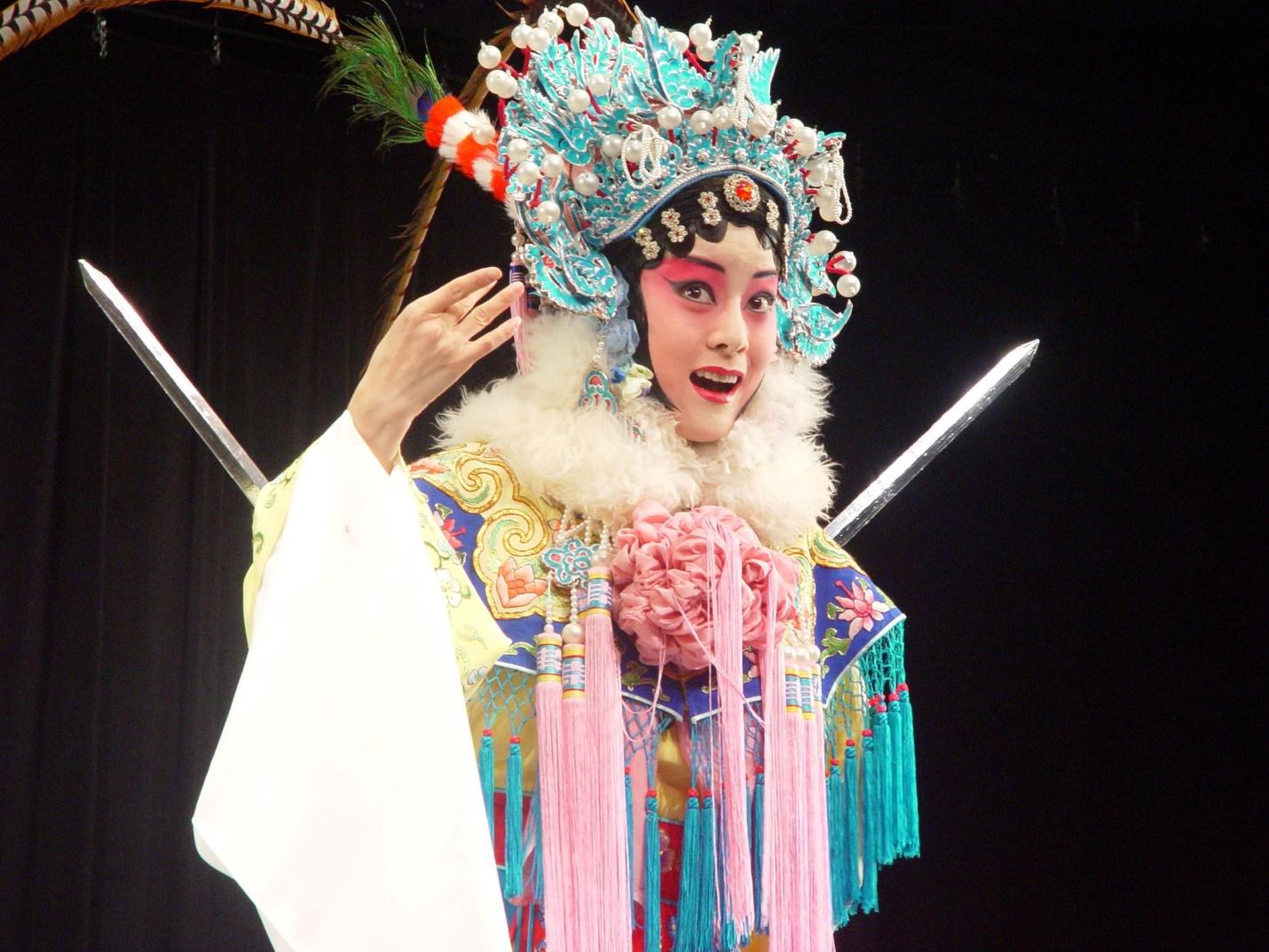
I started my training in Kunqu and Peking opera at age ten, and I've spent the rest of my life since then trying to bring these forms — living, breathing, but genuinely endangered art traditions — to audiences here in the United States.
What Ten Years Old Actually Demanded
Traditional opera training is not gentle, and I don't think people outside it fully understand what "discipline" means inside a troupe like the one I trained in. I experienced real physical hardship as a child — being struck with bamboo sticks to improve flexibility and performance, what we call receiving "刀坯子." I don't say that for shock value. I say it because those years, brutal as they were, built something into me that never left. The basic skills I gained that early are engraved into my personality and my capability at a level where a "career change" away from opera isn't possible, not in any way that would let me lose those roots even if I tried.
Starting Over in America
Moving to the U.S. introduced an entirely different set of challenges than the ones I trained for. A lot of professional performers here, colleagues and I included, have had to take on completely unrelated work just to get by — waitstaff, kitchen work, whatever paid the bills between performances. That adjustment carries its own emotional weight, a real internal conflict between the artistic roots you've spent a lifetime building and the practical distance you now live at from the stage that used to define you.
The American theatrical scene, for traditional Chinese opera specifically, comes with real structural limitations — smaller venues, far less rehearsal time than a full production needs, which makes it genuinely difficult to realize the full depth these art forms are capable of. I've had to develop a kind of mature acceptance around that — focusing on what I can perform well within these constraints, rather than constantly measuring myself against a scale of production I simply don't have access to anymore.
The Roles I Carry
I've performed in classic works like The Little Cattleherd ("小放牛"), You Yan Jing Meng from the Kunqu repertoire, and The Drunken Concubine “贵妃醉酒” including a performance at the Peabody Museum in Boston in collaboration with the Forbidden City, which remains one of the most meaningful stages I've had the honor of standing on here.
Each role asks something completely different from you. The Drunken Concubine demands a very particular psychological rhythm and character tone — restrained, internally complex — while something like The Little Cattleherd calls for a livelier, more open energy entirely. Getting this right requires precise body movement, real vocal stamina, and a level of character embodiment that takes years to develop, not something you can shortcut regardless of natural talent.
Kunqu's Particular Difficulty
Kunqu specifically has a steep barrier to entry for new audiences — its pace is slow, deliberate, demanding a kind of patience modern audiences aren't always primed for, and the skill threshold for performing it well is genuinely high. I remain completely committed to it anyway, because I believe its beauty and its cultural significance are worth the difficulty, both for me as a performer and for anyone willing to sit with it long enough to see what it's doing.
The pandemic pushed us toward online performances, which turned out to be a genuinely valuable way to maintain cultural connection within the community when live venues weren't an option. I carry real optimism about continuing this work going forward — not despite the challenges of doing it here, far from where it was born, but because I've come to see that distance itself as part of what I'm now responsible for bridging.
What This Art Actually Is to Me
Even decades into this, the characters and experiences I've carried through my career continue to shape who I am, on stage and off. This isn't simply a profession I chose. It's closer to something in my blood — one of those rare things that stay completely in itself even while everything around it, the venues, the audiences, the country I'm performing in, keeps changing.