20 of 250 stories
Gun Ownership and Safety for the Chinese Community in New York
694 reads
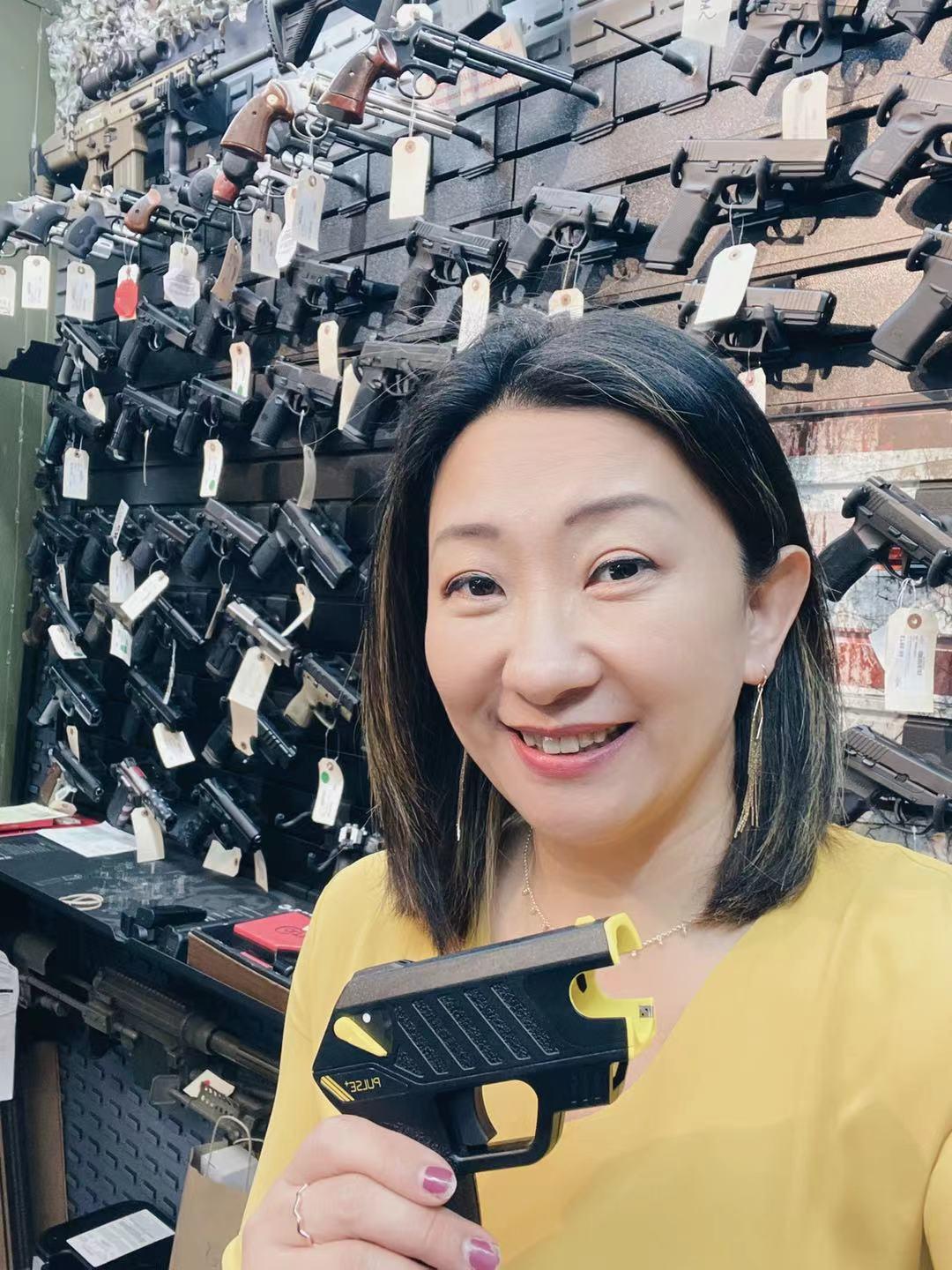
I run a gun store in New York, and I spend a lot of my time doing something most Chinese-language programs never touch: talking openly about whether Chinese Americans should own guns, and if so, how to do it safely and responsibly. It's a rare conversation on Chinese channels here, which is exactly why I think it's worth having.
What the Law Actually Says
A lot of the fear and confusion I encounter starts with people simply not knowing the actual rules. In New York, long guns — rifles and shotguns — can be purchased by anyone eighteen or older, while handguns require the buyer to be at least twenty-one. There's no upper age limit on ownership, even for elderly individuals who might have shaky hands or no longer hold a driver's license. I make a point of being clear with people that having a green card or a driver's license doesn't, by itself, grant an unrestricted right to buy any gun. Compliance with the actual legal requirements matters, and a lot of the anxiety I see in the community comes from people either overestimating or underestimating what the law allows.
New York and the broader U.S. remain major producers and consumers of firearms, and there's a healthy market of quality American-manufactured guns available through legitimate channels. Reputable gun stores avoid illegal or black-market weapons entirely — the business risk is simply too high. I remember the supply shortages and long lines at gun stores during a rough stretch last year; availability has improved a good deal since then, though the market still fluctuates.
Teaching My Own Children First
Before I ever taught a stranger anything about firearms, I had to figure out how to talk about them with my own kids. My daughter was initially frightened, largely because of how guns get portrayed negatively at her school. What I've emphasized to both my children isn't that they need to like guns — they don't have to. What matters is that they know how to handle one safely, because that knowledge protects them regardless of how they personally feel about firearms.
Everything I teach, to my own kids or to anyone else, comes back to four universal safety rules: treat every gun as if it's loaded; keep your finger off the trigger until you're actually ready to shoot; always point the gun in a safe direction; and never point it at anything you don't intend to shoot. Those four rules are the real foundation of responsible gun ownership. Everything else is built on top of them.
Helping Women Get Past the Fear
A meaningful part of my work involves helping female friends get past their fear of loud gunfire and the general anxiety a shooting range can trigger the first time. Almost universally, women who come in nervous, wanting to avoid the noise entirely, end up enjoying the experience once they've tried it, and a lot of them come back regularly after that first visit. I've also worked with fully automatic firearms myself — impressive to handle, but they require real technique given their weight and recoil, often needing to be fired from a supported position rather than freehand.
Skill, Not Just Equipment
I try to steer people away from choosing a gun purely for its look. What matters is fit — arm length, physical strength, how a particular firearm sits in a specific person's hands. When I demonstrate shooting clay pigeons with a shotgun, I'm really demonstrating recoil control and grip strength as much as anything else. A tight, correct grip and real muscle memory are essential for accuracy and for managing a gun's recoil safely. None of that comes from natural talent alone — it comes from coordination and consistent, repeated practice. Good shooters, as the saying goes, are made by the bullets they've fed through their gun, not by any innate gift.
In New York specifically, long guns can be used or rented at shooting ranges without a license, but handguns require a pistol permit. In practice, that means shooters typically use handguns registered in their own name or rent through a licensed dealer. My business currently operates as a gun store, and I have plans to expand into a shooting range as well.
What Guns Give Chinese Americans, Especially Women
I think a lot about the cultural stereotype of Chinese people, and Chinese women in particular, being seen as timid. Learning firearm skills does something real to counter that — it levels the playing field with other Americans and builds a genuine sense of equality and confidence that's hard to get any other way. There's a phrase in American gun culture I come back to often: with the firearm, people are all equal. I think that's true in a deeper sense than just the physical mechanics of it. Owning and knowing how to use a gun isn't just a practical skill to me. It's a symbol of personal and communal strength, especially for a community that's often underestimated in that way.
Hunting, and What It's Actually For
Hunting is genuinely popular in New York, including among immigrant communities from China and Russia, and I think that's worth understanding on its own terms. It's not just a sport — for a lot of people, it's real mental and emotional release from daily stress. But I always stress the legal side of it just as much as the recreational side: lawful firearm possession, the correct hunting licenses, completed safety courses, and real respect for wildlife conservation rules, including the limits on which species and how many you're allowed to take. Hunting is a regulated activity, and I think treating it that way — seriously, with real compliance — is part of what makes it sustainable and respectable.
Feminine, and Armed — Not a Contradiction
My own personal style outside the shooting range stays exactly as feminine as it's ever been; shooting is simply part of my lifestyle and my work, without any conflict between the two. I've had acquaintances distance themselves from me because of my gun-related business, and I understand that reaction even if I don't share it. What I keep emphasizing is that gun education is fundamentally about safe, responsible use — and that it can be a genuine form of lifestyle enjoyment, one that challenges traditional gender roles and misconceptions rather than reinforcing them.
What It Actually Costs
The financial side of this hobby is moderate and manageable for most people who want to pursue it. Guns themselves can be purchased for a few hundred dollars, though ammunition costs can run $100 to $200 per shooting session, depending on current prices. I like comparing gun shooting to other recreational expenses people take for granted — it's a sport with real, tangible benefits, not a frivolous cost, when you look at what it builds in terms of skill, confidence, and stress relief.
What I'd Tell Someone Just Starting Out
Not everyone takes to shooting the same way — some people are put off by the noise, or by personal fear, and that's completely normal. What matters most, for anyone considering it, is education, practice, and safety, especially internalizing those four fundamental safety rules until they're automatic. For newcomers specifically, I always recommend doing real research first, in both Chinese and English, and joining gun or hunting associations within the Chinese community, where shared knowledge and mentorship make the learning curve far less intimidating. Beyond that, it really does come down to practice — regularly, consistently, because even natural talent must be honed through repetition to become a skill you can trust.
My goal, at the end of the day, is building a responsible, confident, and genuinely safe gun culture within the Chinese American community — one where people understand the law, respect the risk, and feel empowered rather than intimidated by something that's often treated as entirely off-limits to talk about.