53 of 250 stories
At the Eye of the Storm
14 reads
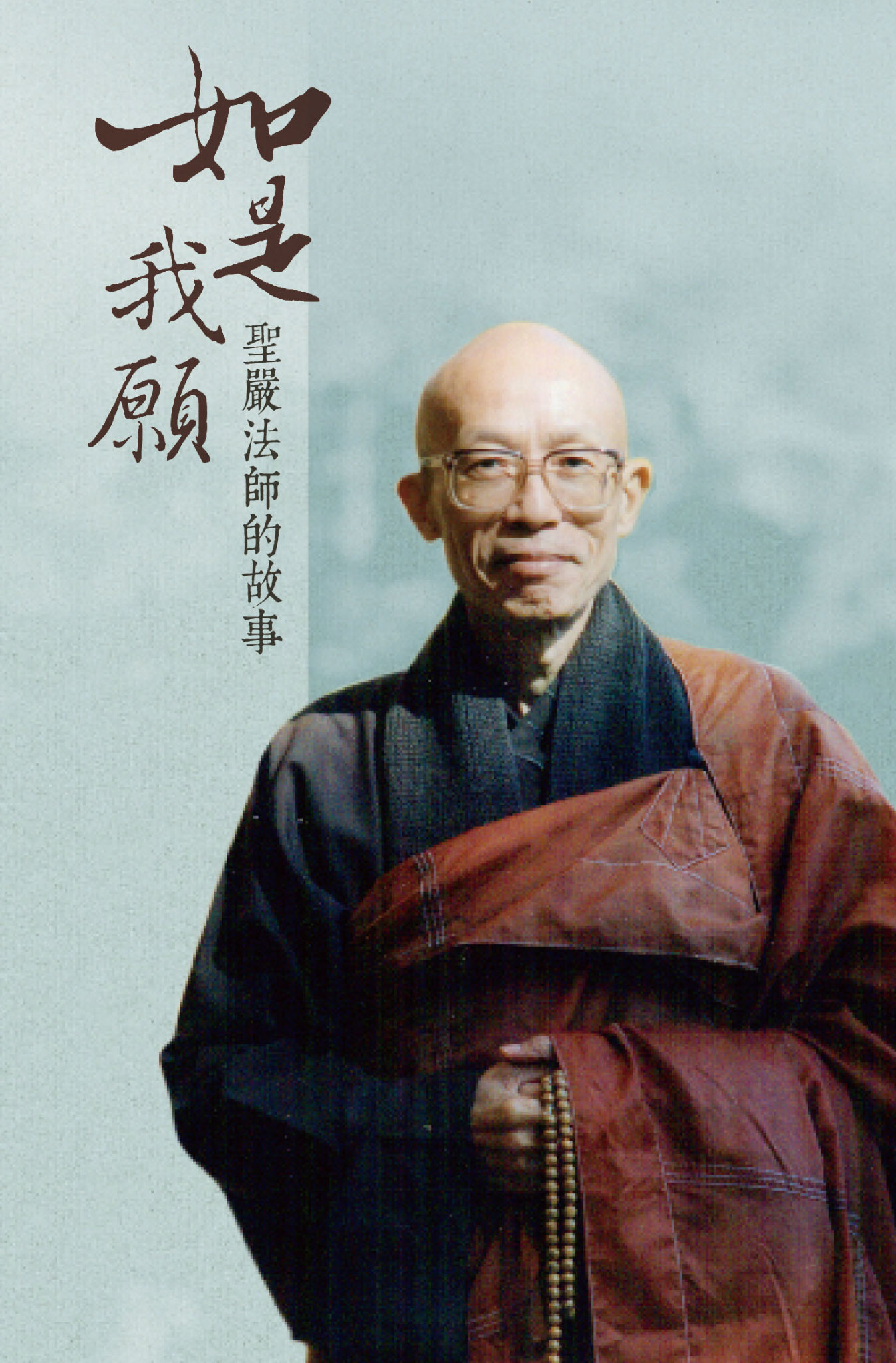
I did not enter monastic life with a grand plan for what I would become.
I was born into a poor farming family, and when I first entered a monastery as a boy, I could not have imagined that my life would eventually take me through military service, years of study in Japan, a doctorate, and then across the world teaching Buddhism. I certainly did not imagine that one day people would build monasteries, publish books, and gather in large halls to listen to me speak.
For much of my life, I thought of myself simply as a wandering monk.
My path was not a straight one. There were years when circumstances carried me far from the monastery, including a period of military service, before I returned more deeply to Buddhist practice. Later, I went to Japan to study. Education mattered to me because I wanted to understand Buddhism not only through faith, but through disciplined inquiry. Eventually I completed a doctorate, but academic achievement was never the destination. Whatever I learned was useful only if it could help people live with a little less confusion and suffering.
As the years passed, I traveled more and taught more. People came to me with different problems—fear, grief, family conflict, illness, ambition, disappointment. Some were Buddhist; many were not. I never believed that everyone needed to become Buddhist in order to benefit from what I had learned.
What people needed most, I discovered, was often something much simpler: a way to quiet the mind.
During one visit to New York, I sat down for an interview with Jiang Han. He later told me that he had been nervous before we met. He came from a different religious background and did not know what kind of conversation we would have. My health was already fragile, and my schedule was crowded with travel and public engagements, but we spoke for more than an hour.
Perhaps that conversation stayed with him because I was not particularly interested in persuading him of anything.
I had spent many years speaking about what I called spiritual environmentalism. People understood environmental protection when it meant cleaning polluted rivers or protecting forests, but I believed there was another environment that required just as much attention—the environment inside ourselves. If the mind is filled with anger, fear, greed, and resentment, changing the world outside becomes very difficult.
This was why, when people asked me how to deal with suffering, I often returned to four simple steps: face it, accept it, deal with it, and let it go.
These words came from observing life, including my own. We spend enormous energy resisting what has already happened. We want illness not to be illness, loss not to be loss, and people not to be the people they are. But facing reality does not mean surrendering to it. First we acknowledge what is in front of us. Then we do whatever can be done. And when we have done what we can, we learn not to carry the burden forever.
I watched the modern world become wealthier and faster, yet people did not necessarily become more peaceful. Epidemics brought fear. Financial crises brought insecurity. The more people possessed, the more they sometimes worried about losing.
I often said that what we need is actually very little, while what we desire can become endless.
I was not criticizing people for wanting a better life. I understood human nature too well for that. I knew how difficult it was to change even one person's habits, much less an entire society. There were moments when I wondered how much difference my work could really make.
But I came to think of it as a parent reminding a child again and again. The child may not listen the first time, or the tenth time. Still, a parent continues speaking because even one moment of understanding may matter.
So I continued.
Over time, Dharma Drum Mountain grew from these efforts. But I never wanted Buddhism to become another boundary separating people. I met people of different religions and believed that sincere religious traditions could respect one another. Names and rituals differed, but compassion was not owned by any one faith.
People sometimes misunderstood Buddhist detachment as indifference. They imagined that letting go mean no longer loving anyone.
My experience was quite different.
The affection between parents and children is real. Friendship is real. Grief is real. Spiritual practice does not require us to become people without feelings. Instead, it asks whether the love we feel for those closest to us can gradually become large enough to include people we do not know.
That was also how I understood responsibility. Letting go of attachment did not mean abandoning commitment. There is a kind of persistence rooted in the ego—I must win, I must possess, I must be recognized. But there is another kind of persistence that comes from compassion. A person may know that suffering can never be completely eliminated and still devote a lifetime to reducing it.
That was the kind of persistence I hoped to practice.
As I grew older, illness became an increasingly familiar companion. I did not believe that being spiritually cultivated meant pretending the body was not sick. One could be ill and still have a healthy mind. One could grow old and still have hope. Life was never going to become perfectly safe, because perfect safety does not exist.
The question was whether the heart could remain steady even when circumstances were not.
Near the end of my life, I became increasingly specific about what should happen after I died. I did not want an elaborate funeral. I did not want statues or grand memorials. I wanted the remains of my body handled simply and returned to the earth.
After spending a lifetime teaching people to loosen their attachment to form, it would have been strange to ask them to become attached to mine.
Death had never seemed to me the opposite of life. It belonged to life. The body arrives, stays for a while, and leaves. What mattered was what we did during the time in between.
Perhaps that is why one of the subjects I returned to so often was peace.
Not the peace that comes when every difficulty has disappeared. I had lived too long to believe in such a thing. There would always be illness, conflict, uncertainty, disappointment, and loss. The world would continue to change whether we approved of those changes or not.
The peace I was interested in had to exist in the middle of all that.
Once, when preparing to speak at Columbia University, the title chosen for my talk was “Calm at the Eye of the Storm.” I liked the image because a storm does not have to stop for its center to become still.
That was, in many ways, what I had spent my life trying to understand.
I began as a poor boy who entered a monastery without knowing where the path would lead. I became a soldier, a student, a teacher, and eventually a monk known by people in places I had never imagined visiting. Books were published in my name, monasteries were built, and many people were generous enough to call me their teacher.
But none of those forms could last.
I never expected humanity to become perfect because of anything I said. If one frightened person became a little calmer, if one angry person waited before speaking, if one family learned to forgive, or if someone in despair could remain with life for another day, then the work had already been worthwhile.
When the time came for me to leave, I wanted to leave lightly.
No monument was necessary.
The storm would continue.
I only hoped that somewhere within it, someone might discover a quiet place in the heart.