38 of 250 stories
Writing My Own Life
19 reads
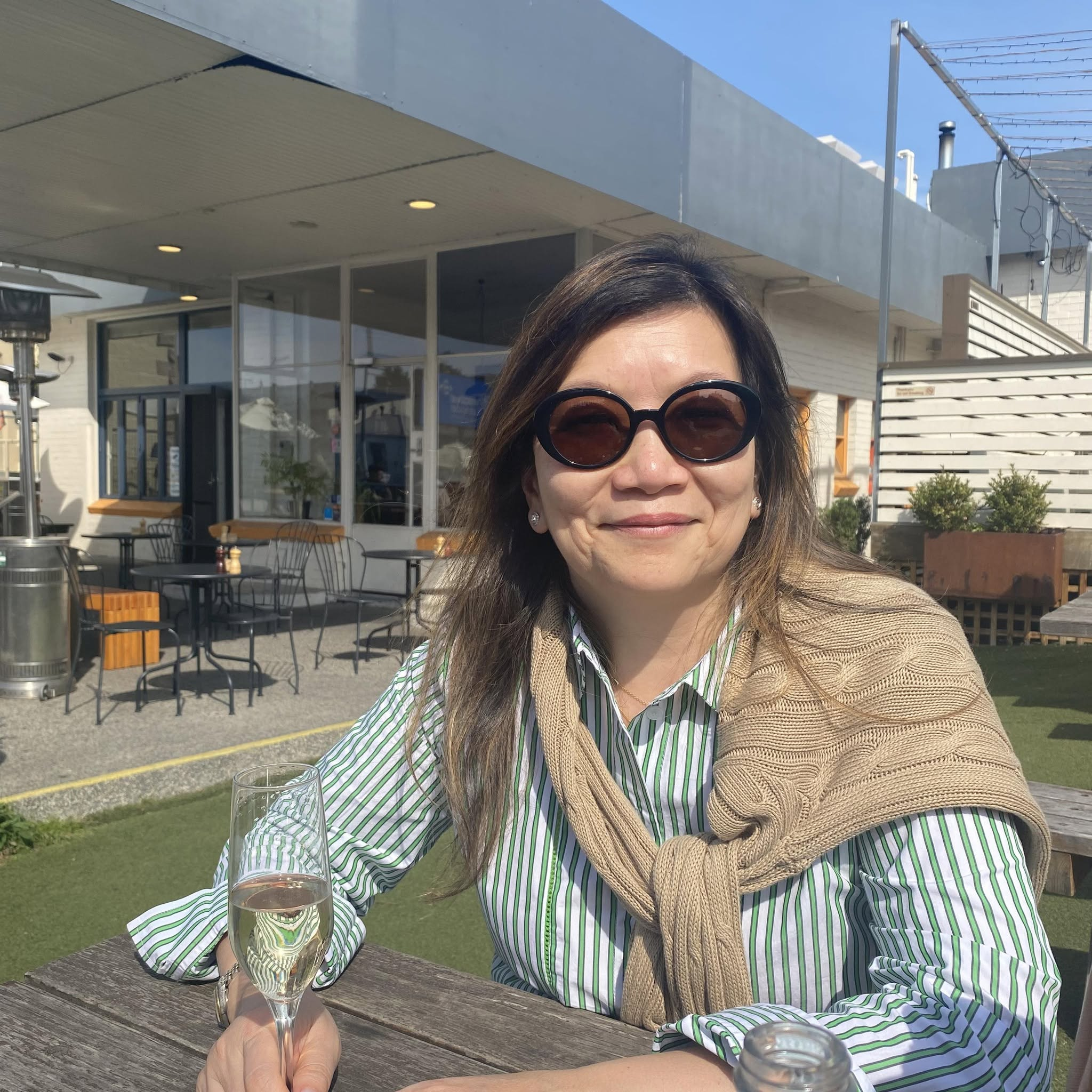
My name is Julia Chin. I came from a prominent military family in Northeast China, but I have always believed that the family you are born into does not determine the life you will create. I have been a professional woman for nearly thirty years, a wife and mother, and now a grandmother. Through all these stages, I have learned that ultimately, each of us has to find our own way.
People sometimes notice how I dress or the jewelry I wear. I enjoy beautiful things, but I don't believe they are what make a woman beautiful.
“Every woman is beautiful because of her soul; jewelry and clothes only enhance the light you already possess.”
If you take away the jewelry and beautiful clothes, what remains? Your education, confidence, character, wisdom, and the way you treat other people. Those are the things we carry with us as we grow older.
Finding Myself Again
For many years, my life was centered around work and family. Like so many mothers, I put tremendous energy into raising my children and helping them build their futures.
Raising children in America also meant learning to balance two cultures. I came from a traditional Chinese background that emphasized family responsibility, education, discipline, and sacrifice. My children grew up in an American culture that placed greater emphasis on independence and individual choice.
Over time, I learned that loving your children does not mean deciding everything for them.
“Loving your children means supporting them with wisdom but also giving them space to grow independently.”
Today, my children are in their early thirties. They are entrepreneurs and financially independent. I am proud of what they have accomplished, but I also understand that their lives belong to them.
And now I am a grandmother.
When children grow up and leave home, people often speak of the "empty nest" as though something has been lost. I don't see it that way.
“Empty nest is actually one of the most beautiful and meaningful times in a person's life; it's a time to cherish and invest in yourself.”
For years, women take care of everyone else. Then suddenly we have an opportunity to ask ourselves: What have I postponed? What do I still want to learn? What can I do for myself?
Growing older does not mean that our meaningful years are behind us. It can be the beginning of an entirely new chapter.
Learning What We Can—and Cannot—Control
My experiences with marriage have taught me another lesson.
“Marriage is like a gamble—you must put a lot of effort into it, but sometimes it still may not work out despite your best attempts.”
Marriage requires patience, compromise, responsibility, and work. But life has also taught me that we cannot control another human being.
We spend so much energy wanting other people to change. Eventually, I realized that this is often the wrong place to put our attention.
“You can't change others, but you can change yourself; managing your own world well is what makes life meaningful.”
That idea has become increasingly important to me as I have grown older. I cannot control every relationship or everything that happens around me. But I can decide how I live, how I care for myself, and what I contribute.
Health Is Something We Cannot Buy Back
That philosophy eventually led me to one of the most important projects of my life: writing about health.
My family carried generations of knowledge about herbs and traditional approaches to caring for the body. Over the years, I became increasingly interested in combining that ancestral knowledge with modern ideas about wellness, anti-aging, and preventive health.
I became particularly interested in women's health during menopause and middle age. This is a period when the body changes dramatically, yet many women are so busy taking care of other people that they neglect themselves.
But we should not wait until serious illness arrives before we begin paying attention.
“Health is priceless; no amount of wealth can buy true health, so preserving it is the most valuable thing we can do.”
That belief eventually became a book. I originally wrote it in English, and I am now working on bringing it to Chinese readers as well.
The book combines my family's traditional herbal knowledge with what I have learned about modern health preservation. I think of it as more than simply a book about anti-aging. It is about giving people another opportunity to take responsibility for their own well-being.
In my words, it is meant to offer “a second chance at vitality.”
The Page Is Still Blank
When I look at my life today—as a professional woman, mother, grandmother, writer, and someone still searching for new ways to contribute—I don't think of aging as becoming less.
I think of it as understanding more clearly what matters.
Wealth matters only so much. Appearance changes. Children grow up. Relationships change. Careers eventually end. But knowledge, health, character, and what we pass to another generation can remain.
I often think of life as a blank page.
“Life is like writing on a blank page—you have the responsibility to fill it meaningfully for yourself and future generations.”
I have already written many chapters of mine: growing up in China, building a professional life, becoming a mother, raising children between two cultures, experiencing the difficulties of marriage, and learning how to care for myself as I grow older.
But the page in front of me is not finished.
I still want to learn. I still want to write. I still want to share what my family passed down to me and what my own life has taught me.
Perhaps that is the real beauty of getting older.
And as long as there is another blank page, you still have the opportunity to decide what you will write next.