23 of 250 stories
The Journey of Recording a Pandemic Memoir
844 reads
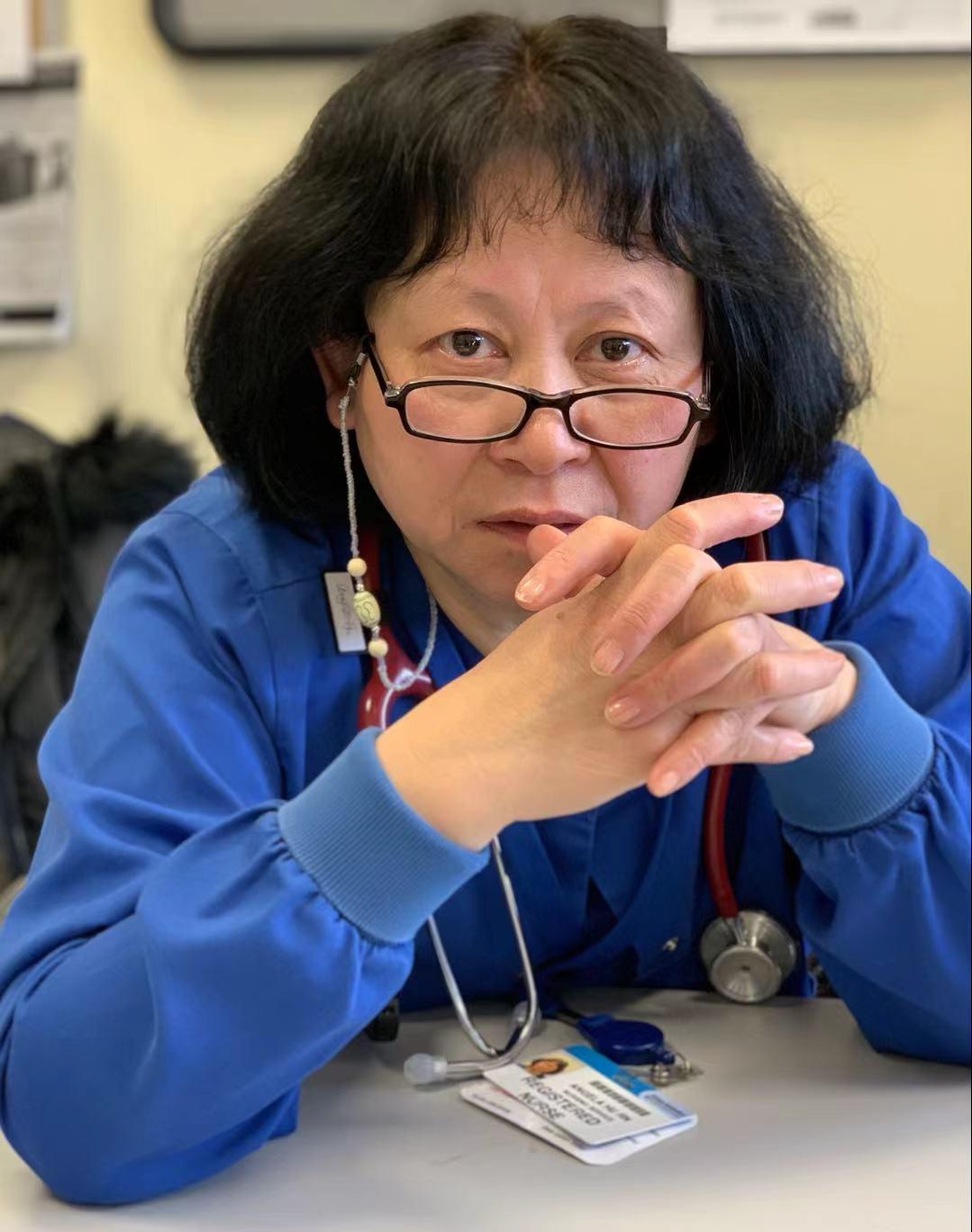
I'm a nurse, and I was called to care for COVID-19 patients from early in the U.S. outbreak. I'd been doing this work for years by that point, but nothing in my training fully prepared me for what those first months demanded.
Why I Didn't Retreat
I understood the risk clearly, and so did my family — they were afraid for me, and I understood that fear too. But I felt a strong sense of professional duty pulling harder than that fear. There was something else underneath it as well: I felt, as a Chinese immigrant working on the front lines of an American crisis, a real responsibility to represent our community well. I didn't want to retreat, not just for my own sake, but because I felt like I was carrying something larger than my individual choice every time I put on my gear and walked back onto that floor.
What the Early Days Actually Looked Like
The shortages were severe — masks, caps, gowns, and all the basic protective equipment nurses needed just to do the job safely. I started writing public appeals for N95 masks out of sheer necessity, and strangers from around the country responded with donations. That support meant something to me beyond the practical relief it provided; it was proof that people outside the hospital walls understood what we were facing, even when the hospital itself couldn't keep up.
I watched patients die in the ICU during that period, and I watched the system strain under the sheer volume of its body bags in short supply, temporary cold storage brought in because mortuary services were completely overwhelmed. The hardest part, more than the equipment shortages or the exhaustion, was the loneliness I saw in COVID patients themselves. Many of them died without a single family visit. Nurses like me became the only companionship they had in their final moments. I don't think I'll ever fully process what it meant to be that for so many strangers, repeatedly.
Coming home after a shift meant a careful decontamination routine every single time, driven by real fear of bringing the virus back to the people I loved. My family was geographically distant from me during that period, which deepened my sense of isolation rather than easing it. Many of my colleagues contracted COVID themselves. The risk wasn't abstract. It was constant, and it touched almost everyone I worked with.
Why I Started Writing
Faced with all of that — the stress, the historic scale of what we were living through — I started recording my daily experiences in March 2020. My mother, who loves literature, encouraged me early on, and I found real inspiration in diaries like Fang Fang's account of Wuhan. I wanted to create an authentic, detailed record of frontline medical life during a crisis that was actively rewriting what all of us understood to be normal.
I never expected these writings to go anywhere beyond my personal WeChat groups. I wasn't trying to build a book. I was trying to survive the days honestly, and to make sense of them on paper in whatever way I could. But the writing ended up capturing something real about hospital operations, about the impossible decisions we were making around patient care, and about the emotional weight all of us were carrying quietly. That honesty is, I think, what eventually resonated with people well beyond the group I originally wrote it for.
My hope, beyond my own processing, was to create something like a tribute to healthcare workers — an honest lens on how American hospitals coped during this period, not a polished or simplified version of it.
Becoming a Book
Working with Illia to translate and publish a selection of these essays in English felt like a kind of amplification I couldn't have managed on my own. Writing fluently in English, with the literary nuance needed to carry the emotional weight of these stories, would have been daunting for me alone. I'm deeply grateful for that partnership. Of the fifty or sixty essays I originally wrote, only a portion made it into the final book — a real constraint, but one I understood, given what it takes to shape a manuscript for a broader audience.
What I Hope This Book Actually Does
I don't think of this as a political story, and I never wanted it to become one. It's a record of what frontline caregiving looked like during an unprecedented crisis — the fear, exhaustion, the strange intimacy of becoming a stranger's only companion at the end of their life, and the quiet resilience it took to keep showing up anyway. If people take one thing from reading it, I hope it's a clearer, more human understanding of what healthcare workers carried during that time, and maybe some recognition of what all of us, patients and nurses both, were really going through together.