11 of 250 stories
From Artist to Strong Mother: The Journey of Lisa
1,001 reads
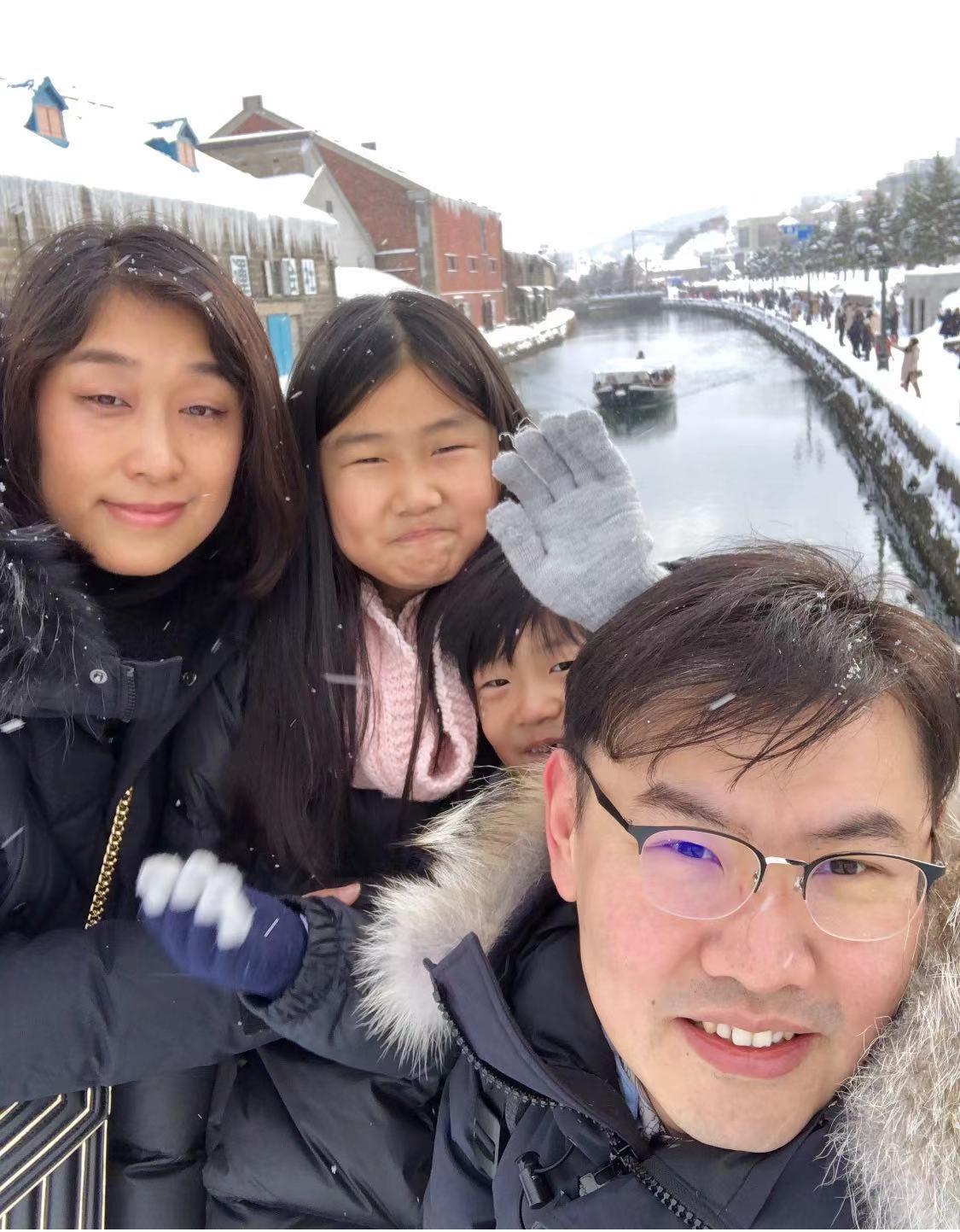
I've been in the United States for six or seven years now, raising two children largely on my own while my husband's work has kept him tied to China. I'm an artist myself, and if there's one thing that's shaped how I parent, it's that identity — I don't just tolerate my daughter's many interests, I recognize them, because I've lived that same restless, multi-directional curiosity myself.
A Daughter with Many Doors Open
My daughter has real painting talent, but that's just one door among several she's walked through — she's also drawn to hosting and to animation. I've made a conscious choice to support all of it rather than push her toward a single lane too early. I know there are real concerns underneath that openness — creative paths don't come with the career stability more traditional tracks promise. But I believe cultivating passion and curiosity matters more, especially at her age, than optimizing for a stable outcome before she's even had the chance to discover what she loves. My hope is to help her grow in a way that honors her personality while still keeping one foot in practical life.
It hasn't always been smooth between my husband and me on this front. We've disagreed, at times seriously, about her education — piano lessons became a real flashpoint between us, a stand-in for a larger disagreement about long-term plans for her development. Those disagreements are hard precisely because neither of us is wrong; we just come at her future from different angles, shaped by different instincts about what will serve her best.
What It Took to Adapt
The adaptation process took me a genuine two to three years to move through fully — the language barrier alone was significant, but so was the unfamiliarity of navigating American household systems I'd simply never had to think about before: utility payments, the different types and layers of insurance, the whole invisible infrastructure of running a household that, in China, I'd never had to manage entirely on my own.
I underestimated, going in, just how much independence this move would eventually demand for me. I learned to drive. I learned to manage household affairs I'd have delegated in China without a second thought. I learned to communicate in English well enough to handle real life, not just pleasantries. And somewhere in there — half-joking, but only half — I discovered I'd become a genuinely competent cook, despite never particularly liking household chores before. I consider that whole transformation one of the major personal achievements of my adult life, even though nobody hands you an award for learning to read an insurance policy.
The Weight I Don't Always Share
My husband was the driving force behind our move to the U.S. in the first place, and I'll admit I felt overwhelmed by it initially — the scale of what we were taking on hit me harder than I expected once we'd landed. I've gradually adapted since then, but "gradually" undersells how much daily effort that adaptation required.
In a lot of ways, my life here resembles single parenting, even though I'm still very much married. My husband remains in China for work, and the day-to-day reality of raising our children — school logistics, emotional steadiness, the accumulated small decisions of a household — largely falls to me alone. I try hard to keep our home warm and emotionally secure for the kids despite his physical absence, because I don't want that distance to become a hole in their sense of stability. But it does take something out of me that I don't always talk about, including with him. Communication about the daily struggle isn't always easy between us; there are tensions that come from him not fully seeing or living the reality of raising children abroad the way I do every day.
What This Experience Has Given Me
If I'm honest about what this whole experience has done to me, underneath the exhaustion, it's given me a real and lasting sense of humility, acceptance, and a broader view of life than I had before. I don't think I would have arrived at that same personal growth if I'd stayed in China, surrounded by the support systems that would have quietly done a lot of this work for me. The role has demanded real strength from me, more than I knew I had. But it's given something back in equal measure — a version of myself I respect more than the one who left China years ago.
I also want to be honest about the social side of this choice. There's no shortage of unsolicited opinions — from local acquaintances, and just as often from within Chinese immigrant communities — about the choices we've made, the way we're raising our kids, the sacrifices we're making. I've had to learn to let a lot of that go, to hold onto my own resolve and my own sense of what we're working toward, rather than let outside judgment reroute a decision my husband and I made together.
Trust, Across a Long Distance
People sometimes assume that long-distance marriage strains trust, and I understand why they'd think that. But my experience has been almost the opposite. My husband and I have maintained a strong, genuine trust despite the geographical distance between us — I've never once felt the need to monitor his phone, and I don't believe he's felt that need toward me either. If anything, the distance has reduced friction between us rather than created it, because it's forced both of us into a deeper mutual understanding and respect, even where our personalities pull in different directions — his structured, mine more spontaneous.
What I'd Tell Someone Considering This Path
If someone asked me whether this was worth it, I'd tell them: plan thoroughly before you go — your goals, your timeline, your housing, your finances, the tax questions nobody warns you about, and how extended family fits into all of it. But I'd also tell them that no amount of planning fully prepares you for how hard the actual transition is. Talent and preparation help, but they don't remove the difficulty. You need real courage and resilience going in, and you need to build something for yourself — some version of identity beyond just "mother" and "wife” to sustain you through the years it takes to feel like yourself again in a new country.
I don't regret this path. I've watched my children's world open in ways it likely wouldn't have if we'd stayed. And somewhere in the process of holding their world together almost single-handedly, I found a stronger version of my own.