56 of 250 stories
Finding My Own Ground
10 reads
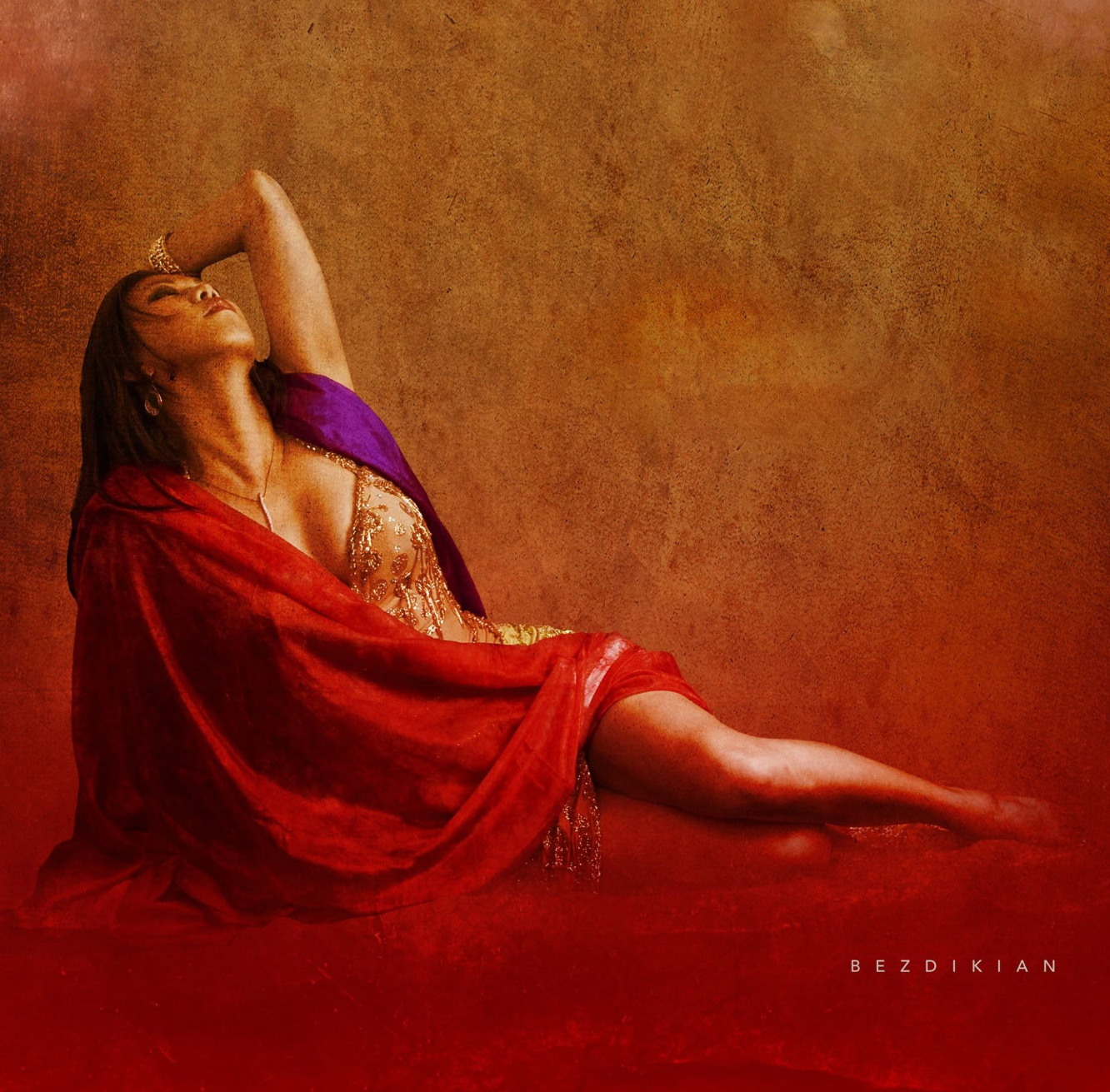
For a long time, when I thought about childhood, I thought first of my grandparents.
I grew up very close to my maternal grandparents. My parents lived upstairs, but emotionally, much of my sense of home was downstairs with them. There was something reassuring about that arrangement when I was young. I did not know then how important that feeling of security would become to me, or how quickly it could disappear.
When I was eleven, my parents divorced. Not long afterward, my grandfather died.
There are parts of those years that I can barely remember.
I know what happened. I know where I was. But when I try to retrieve certain memories, there seems to be an empty space where they should be. Perhaps I simply did not know how to hold everything that was happening around me.
After my parents separated, my relationship with my father also disappeared. We would remain apart for nearly twenty years.
Life continued, of course. I went to boarding school and learned independence earlier than I might otherwise have done. I made friends. I adapted. I was naturally talkative and lively, although there were situations where I could suddenly become shy. People who met me later often saw the outgoing side first.
They could not necessarily see the empty spaces.
Dance entered my life early. I was overweight as a child, which could have made me feel that dance belonged to other kinds of girls. But I danced anyway. I studied ballet, and slowly movement changed the relationship I had with my body.
Years later, I would understand that dance was doing something for me beyond exercise.
It was giving me a place where I could occupy my own body without apologizing for it.
When I came to America, I was building another life from the beginning. Like many immigrants, I had to learn how to function between languages, expectations and cultures while also trying to understand what kind of person I wanted to become.
During that period, I met the man I eventually married.
He was nearly twenty years older than I was.
At the time, the age difference did not feel like the most important thing. I found companionship and security in him. Looking back many years later, I could also recognize something I had not fully understood then. Having lost my relationship with my father so young, perhaps part of me was drawn to the steadiness of an older man.
That realization did not make the relationship false. We cared about each other. We built a life together, and I tried very hard to make the marriage work.
But love does not automatically resolve the differences between two people.
Over time, questions of freedom and independence became increasingly difficult. I wanted to care for my marriage, but I also wanted room to remain myself. The more we struggled, the more my confidence began to diminish. Arguments accumulated. I kept adjusting and compromising, hoping that if I tried harder we might find the right balance.
Eventually, I had to ask myself whether preserving a marriage was worth losing the person inside it.
Leaving was painful.
But by then I had something that proved enormously important: I could support myself.
Economic independence gave me the freedom to make an emotional decision without having survival decide it for me. We eventually separated and divorced, but I did not need to turn my former husband into an enemy in order to leave. With time, we were able to maintain respect and friendship.
That experience changed my understanding of independence.
When I was younger, independence meant being able to survive alone. Later I understood that it also meant being able to remain yourself while loving someone else.
Around those years, another kind of dance had entered my life almost accidentally.
I began belly dancing for recreation. I had no plan to turn it into anything serious. But something about the movement suited me, and what began casually eventually became a professional pursuit lasting more than eight years.
Belly dance gave me a freedom that felt different from the ballet of my childhood.
The body was not something to hide or correct. It could be expressive, feminine, powerful and joyful. The movements carried histories and traditions connected with women's bodies and important passages of life. For me, they also became a way of recovering confidence.
Onstage, I could express things I did not always know how to explain in conversation.
Of course, performing also taught me about boundaries. Belly dance can be misunderstood. There were audiences who saw sensuality and assumed availability. There were unwanted advances and moments when I had to learn how to be gracious without becoming accommodating.
That, too, became part of growing into myself.
I could be warm without saying yes.
I could be feminine without surrendering authority over my own body.
I could perform for other people's enjoyment without belonging to them.
The older I became, the more I understood that these distinctions mattered far beyond dance.
My professional life took me into another world entirely: caring for elderly people, particularly Chinese immigrants in New York.
At first glance, elderly care and belly dancing might seem to belong to two different women. To me, they never felt that way.
Many of the elderly people I worked with had arrived in America late in life. They did not always speak English. They were trying to understand hospitals, doctors, insurance, family expectations and an unfamiliar healthcare system at an age when even small changes could feel overwhelming.
Because I understood the language and culture, I could often stand between different worlds.
Sometimes I explained what a doctor meant. Sometimes I helped families understand what an elderly parent was trying to express. Sometimes the real problem was not medical at all. It was loneliness, fear, pride, family conflict, or the feeling of becoming dependent after a lifetime of independence.
Working with older people often brought me back to my grandparents.
Perhaps that was one reason I could not treat the work as simply a job. When I looked at an elderly person who was frightened or difficult, I could imagine the person he or she had once been—the parent, the worker, the young person who had crossed oceans or raised children and had never expected to become dependent on strangers.
Age changes what a person can do. It should not change the dignity with which we see them.
Caregiving, however, also taught me something that my marriage and dancing had already begun to teach me: caring for another person requires boundaries.
Compassion does not mean allowing yourself to be consumed.
There were demanding clients, complicated families and situations in which everyone wanted something different from me. I had to learn when to give more and when to step back. If I exhausted myself completely for every person I helped, eventually I would have nothing left to offer anyone.
For much of my life, balance had been difficult.
As a child, I wanted security.
As a wife, I wanted love without losing freedom.
As a dancer, I wanted expression without being defined by other people's gaze.
As a caregiver, I wanted to give without disappearing into the needs of those I served.
Perhaps all of these were versions of the same lesson.
I also eventually reconnected with my father after nearly twenty years.
There was no magical return to childhood. Too much time had passed for that. He was familiar and unfamiliar at the same time—someone who belonged to the deepest part of my history and yet had been absent from most of the person I had become.
I had to allow both feelings to exist.
When I was younger, I often dealt with pain by pushing it somewhere out of sight. I worked. I danced. I kept moving. Only much later did I become more willing to speak honestly about what hurt, first with people I trusted and eventually with myself.
I no longer believe strength means remembering nothing and feeling nothing.
Sometimes strength is being able to look back without allowing the past to decide what comes next.
The host once described me as a desert rose.
I like that image, although perhaps not because a desert rose is unusually strong. Strength alone can become hard. What interests me is that something living learns to find nourishment in a place where nourishment is not obvious.
When I look back, I can see many things I would never have chosen: my parents' divorce, my grandfather's death, twenty years without my father, the end of my marriage, and the periods when I doubted my own worth.
But I can also see the things that grew beside them.
The little girl who found confidence through dance eventually danced professionally.
The granddaughter who once found safety with older people eventually made caring for them her life's work.
The woman who struggled to preserve herself inside a marriage eventually learned that independence and love did not have to be enemies.
I still care deeply about other people. Perhaps I always will.
It took me many years to understand that.
But once I did, I began to feel that I was no longer searching for somewhere else to stand.
I had found my own ground.