14 of 250 stories
The Legacy and Life of Magician Yang Xin
1,221 reads
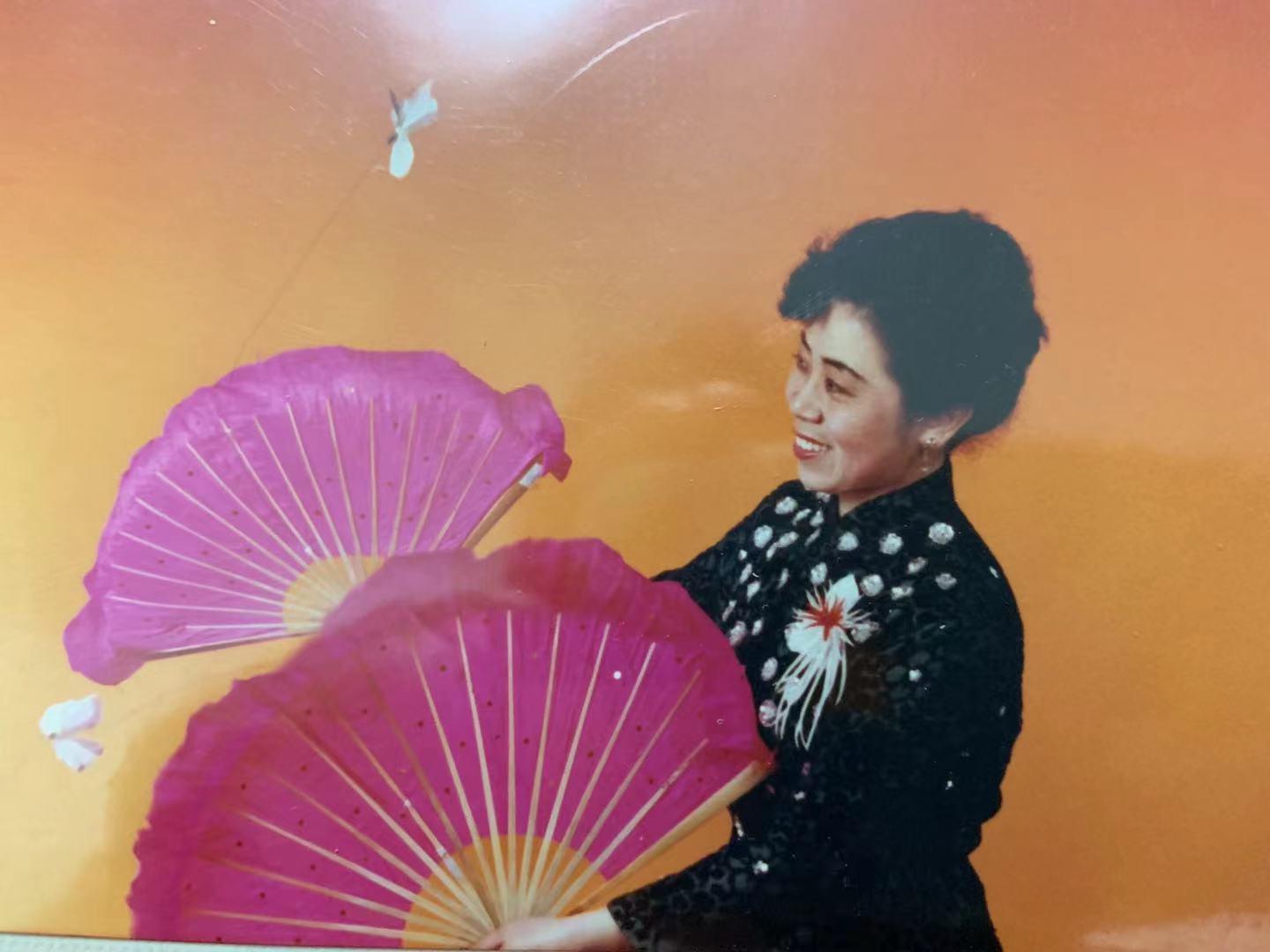
I am recognized as China's third-generation female magician, which sounds like a grand title until you understand what it meant to earn it. I trained in Tianjin, where female magicians were rare and where plenty of people carried open skepticism about whether a woman belonged on that stage at all. I came from a modest family background, and it was my father who first encouraged me to learn magic — not out of some romantic vision of performance, but because he saw practical employment prospects in it, and because he recognized something in my intelligence and determination worth investing in.
Twenty Years Under One Master
I trained rigorously for around twenty years under a well-known magician, now deceased, who built in me a strong technical foundation centered on hand skills requiring real precision and nimbleness. People sometimes assume magic must be gentler than something like acrobatics, and physically, that's often true. But what magic demands is steadfast perseverance, sharp intelligence, and reflexes fast enough to stay ahead of hundreds of watching eyes. Mastering the speed and dexterity behind a seamless illusion, learning to use misdirection — what we call “Sheng dong ji xi”, striking east while aiming west — takes years of repetitive, unglamorous practice. Some of that practice used deliberately unforgiving equipment, like hard wooden balls slicked with paint, precisely because forgiving equipment would have let me get away with sloppy technique.
The physical skill was only half of it. Psychological composure on stage matters just as much, because even a flicker of nervousness can reveal a secret or cause a visible mistake. I've watched colleagues struggle with cold hands or nerves in front of an audience, small tells that experienced viewers pick up instantly. Success in this art form requires both half at once — the trained hand and the steady mind.
Finding My Own Style
I distinguished myself from the male magicians who came before me by weaving music and dance directly into my act, giving it rhythm and grace that a more rigid, traditional style didn't have. My own musical sensitivity helped me synchronize each magical movement with the tempo underneath it, fast or slow, in a way that heightened the entertainment rather than just executing a trick in silence. I've always believed audiences deserve to be treated as intelligent, perceptive people, not passive spectators to be fooled — and building real performance and expression into my act, rather than relying purely on technique, was my way of honoring that belief. That approach helped me gain wide recognition, and it even shaped the musicians who accompanied my performances over the years.
What I'm Willing to Share Now
Magicians traditionally guard their trade secrets closely, and for most of my career, I did too. But since moving to the United States, I've become far more open to sharing technique with people who genuinely want to learn. I like debunking the common misconceptions — the assumption that most tricks hide in a sleeve or rely on some secret compartment. Take the classic linking rings illusion: it depends on precise hand positioning and angle control, not a hidden mechanism most people imagine. What I always emphasize to anyone eager to learn is that consistent, sustained practice is the real secret. Almost nobody can perform these illusions instantly, no matter how clearly the technique is explained to them.
When Things Go Wrong on Stage
Live magic carries real risk, and I've had my share of frightening moments. I remember one particularly dangerous incident when a knife prop malfunctioned during a cutting illusion — the audience grew visibly alarmed, and I had to apologize and end that segment of the show immediately. Moments like that remind you how critical flawless equipment and a real contingency plan are in this profession. I think often of Houdini, whose death was caused by a failed escape act — a sobering reminder of just how much is genuinely at stake for anyone who takes this art seriously.
Every Room Deserves My Full Effort
When I moved to America, I made it a point to accept nearly every performance invitation that came my way, including small, noisy community events where holding an audience's attention is its own separate battle. I adapted by performing as though the audience were fully attentive, even when they weren't — sometimes even imagining an invisible, engaging audience if the real one wasn't giving me much to work with. Respect for your own art, and real professionalism, shouldn't depend on the size or attentiveness of the room you're standing in.
One memory that's stayed with me: performing during a visit by Xi Jinping, before he became president, where most of the audience was far more interested in photographing the dignitary than watching my act. I kept performing anyway, with everything I had. That moment taught me something about resilience that no amount of technical training could have.
Passing It Down
Passing magical skills down through three generations has been one of the most meaningful — and difficult — parts of my life's work. Unlike some performers who quit after a few years of novelty, my own children came to magic voluntarily, after watching the audience's response to my performances themselves. Both my son and daughter have won awards in local magic competitions in China and America — my daughter even earned a gold medal at a competition in New York state. My granddaughter has shown real interest since she was three years old, especially drawn to dance, which we've woven into our family's performances the same way I once wove it into my own.
Keeping traditional magic alive is harder today than it once was, with modern shows leaning so heavily on sound and light effects instead of pure technique. I remain committed anyway to preserving and passing on the authentic skill my own teacher spent twenty years building in me.
What Retirement Actually Looks Like
I like to joke that I'm a "golden lady" in retirement, though anyone who knows my schedule would tell you I'm not resting much at all. My days start with tai chi and dance, move into painting and singing practice in the afternoon, and often include leading group exercise classes or ethnic dance sessions in my community. I only started painting in recent years — a mix of oil painting and, later, attempts at traditional Chinese painting, mostly self-taught through resources like YouTube. My color choices tend to run strong and vibrant, which people tell me reflects my personality more than any formal training does. I've taken up Peking opera as well, and what matters to me there isn't technical perfection — it's the sheer joy of continuing to learn something new at this stage of life.
What I'd Tell Other Elderly Immigrants
I know firsthand the loneliness and disorientation a lot of elderly immigrants facing and trying to adapt to life here. What's helped me is staying open, seeking out social interaction proactively rather than waiting for it to arrive, and holding onto an attitude of genuine contentment and gratitude. There's an old saying I keep close: “静随心照” — peace follows the heart's clarity. When your heart is in the right place, you find beauty everywhere, and that makes any place feel like home, regardless of how far it is from where you started.
As I've gotten older, I've come to believe deeply in tolerance and empathy — putting yourself in someone else's shoes before letting a small disagreement become a real conflict. Forgiveness and the willingness to apologize aren't signs of weakness; I think of them as essential tools for real, lasting harmony with the people around you.
What I'm Proud Of
When people ask about my proudest accomplishment, or my biggest regret, my honest answer is that continuous learning and holding onto joy have been my greatest achievements — not any single award or performance. My only real regret is that there isn't enough time left to learn everything I'd still like to know. That's not a complaint. It's just the truth of a life spent chasing curiosity, one skill and one stage at a time.